
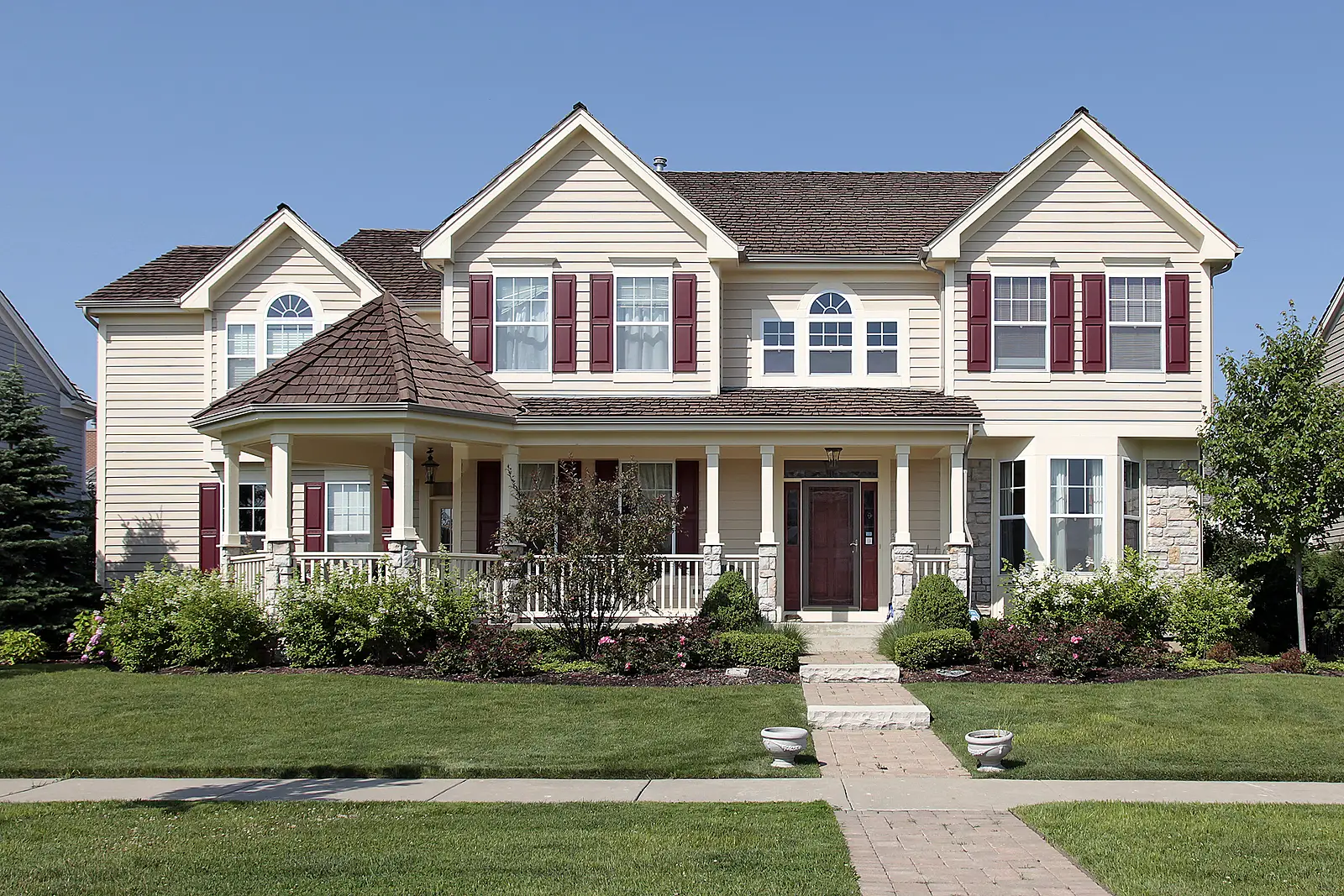
Patterns begin to show once rentals move beyond the excitement of the first lease and into everyday operation, where pricing decisions, maintenance timing, and renewals reveal which properties truly hold their shape. Many Nashville investors notice this shift sooner when choosing the right assets influences how smoothly those moving parts come together.
Within strictly residential portfolios, single-family homes often emerge as the steadier option. Their standalone design limits shared complications, keeps maintenance more contained, and ties demand closely to neighborhood appeal rather than building-wide variables. In the sections ahead, we’ll look at why single-family rentals continue to anchor residential strategies in Nashville, and how we at PMI Middle TN help owners translate that reliability into lasting results.
Key Takeaways
- Single-family rentals reduce operational friction by eliminating shared living environments.
- Nashville tenants often remain longer when homes offer privacy and adaptable space.
- Neighborhood-driven demand supports steadier pricing.
- Maintenance planning is easier without shared systems.
- Residential portfolios can scale at a controlled pace with single-family properties.
Lower Density Keeps Daily Management More Predictable
Property structure has a direct impact on how often issues arise and how complex they become. Single-family rentals generally involve fewer variables because one household occupies the entire home.
Fewer shared-living disputes
Multifamily settings create constant interaction points through hallways, parking areas, and common amenities. Those shared spaces often spark conflicts that require owner involvement. Detached homes limit these friction points, allowing tenants to operate independently.
Clear responsibility
When maintenance issues surface, accountability is easier to establish. Without shared infrastructure or common-use areas, repairs stay isolated, which helps resolve issues faster and keeps documentation straightforward.
Outdoor Space That Encourages Lease Renewals
Outdoor space frequently plays a larger role in tenant satisfaction than advertised amenities. In Nashville, renters often value having space they can use without coordinating with neighbors.
Here are several outdoor features that support longer tenancies:
- Private yards give tenants room to relax, entertain, or manage pets.
- Driveways simplify parking and everyday logistics.
- Porches and patios extend livable space beyond the interior.
Homes that feel functional outside the walls often inspire residents to renew instead of relocating.
Floor Plans That Adjust as Needs Change
One reason single-family rentals support longer tenancies is flexibility. As households evolve, the home can evolve with them.
Space that works over time
Extra bedrooms, defined living areas, and storage allow tenants to adapt. A spare room becomes an office, a dining area shifts into a study space, and the home remains practical without forcing a move.
Layout decisions matter
Some investors gravitate toward newer builds for modern layouts and efficient systems. Keeping an eye on local housing trends helps owners align property features with renter expectations as lifestyles shift across Nashville.
Pricing Stability Tied to Neighborhood Demand
Multifamily properties often experience internal competition when similar units become available at the same time. That pressure can lead to quicker concessions and compressed margins.
Single-family homes function differently. They are evaluated based on neighborhood appeal, condition, lot size, and parking, which allows pricing to reflect the individual property rather than a cluster of comparable units.
National data reinforces continued interest in detached housing, with the median existing single-family home price reaching $426,800 in the third quarter of 2025, signaling sustained demand that often carries into the rental market.
Maintenance Planning Without Shared Infrastructure
Maintenance responsibilities feel more manageable in single-family rentals because repairs typically affect only one household.
Easier long-term forecasting
With one HVAC system, one roof, and one plumbing network, replacement timelines are easier to track. That clarity supports better budgeting and fewer urgent repairs tied to shared system failures.
A few habits that often improve consistency include:
- Scheduling HVAC service ahead of peak seasonal demand.
- Checking drainage and exterior elements after heavy storms.
- Addressing weatherproofing during seasonal changes.
- Planning appliance replacements by age.
When evaluating long-term property value, understanding how appraisals influence decisions can help owners align condition, financing, and future planning.
Less Direct Competition When Listing Homes
Apartment-style rentals often compete with nearly identical units in the same building. That environment can create price sensitivity and quicker turnovers.
Single-family homes usually enter the market individually. Differences in layout, street placement, and lot size reduce direct comparisons and help listings stand apart.
Rental data reflects this distinction, with single-family rents reported as 20% higher than multifamily rents, underscoring how renters continue to value privacy and space.
Insurance and Risk That’s Easier to Assess
Insurance considerations often feel clearer with single-family rentals. Fewer shared areas mean fewer ambiguous risk zones.
Defined exposure
Detached homes reduce shared liability points like stairwells and communal amenities. This structure helps owners align coverage with actual risk and maintain consistency across a residential portfolio.
Growth That Aligns With Residential Goals
Single-family rentals allow investors to expand gradually while refining systems along the way.
Financing that supports steady expansion
Residential financing options often accommodate measured growth rather than large-scale acquisitions. Familiarity with financing fundamentals helps owners plan acquisitions without overextending resources.
Experience builds with each property
Each new home adds insight into leasing, maintenance, and tenant behavior. Refining operations incrementally often leads to stronger long-term results than rapid expansion.
How we support residential owners
At PMI Middle TN, we focus exclusively on residential management. We help owners coordinate leasing, maintenance, and communication so properties remain efficient and resilient across Nashville.
FAQs about Single-Family Rentals in Nashville, TN
How do single-family rentals support longer lease renewals in Nashville, TN?
Homes that offer privacy, storage, and outdoor space tend to fit long-term routines better, which often encourages residents to renew rather than relocate after the initial lease period.
What property features most influence renter decisions for Nashville single-family homes?
Functional layouts, parking availability, and neighborhood access usually matter more than luxury finishes, especially for renters planning to stay multiple years.
Are single-family rentals in Nashville, TN affected by seasonal leasing patterns?
Seasonality still plays a role, but demand remains steady year-round because many renters prioritize space and location over timing.
How does maintenance response impact tenant satisfaction in single-family rentals?
Since repairs affect the entire household, clear communication and timely service help maintain trust and reduce frustration during maintenance events.
What role does local market familiarity play in managing single-family rentals in Nashville, TN?
Understanding neighborhood demand, pricing behavior, and tenant expectations helps owners make better decisions and avoid reactive management choices.
Where Nashville Residential Portfolios Find Their Footing
Day-to-day confidence in a rental portfolio comes from knowing how a property will respond when real conditions show up, repairs, renewals, and market shifts included. Single-family homes in Nashville tend to give owners that predictability, making it easier to set priorities and keep growth intentional.
At PMI Middle TN, we work alongside residential investors to turn that predictability into practical results. Build your next residential move and start shaping a strategy that stays manageable as it grows.
